Dear Scientists,

It is our great pleasure to welcome you to the first MODAS Symposium, held on the occasion of the launch of
the Multi-Omics Design and Analysis Studio (MODAS) at SABITA Istanbul Medipol University.

MODAS has been established to support researchers at every stage of their projects,
from experimental design to data analysis and publication, through the application of advanced bioinformatics,
biostatistics and omics technologies. The advanced research infrastructure brings together cutting-edge
wet-lab and dry-lab facilities.

This symposium marks an important step in highlighting the value of integrative,
data-driven science and reflects our strong commitment to building a collaborative research environment
that fosters innovation and knowledge exchange.  The symposium features multidisciplinary sessions,
innovative presentations, and inspiring discussions with leading scientists in the field.

We look forward to sharing this milestone with you and hope the symposium will provide a stimulating platform
for insightful discussions and future collaborations.

Warm regards

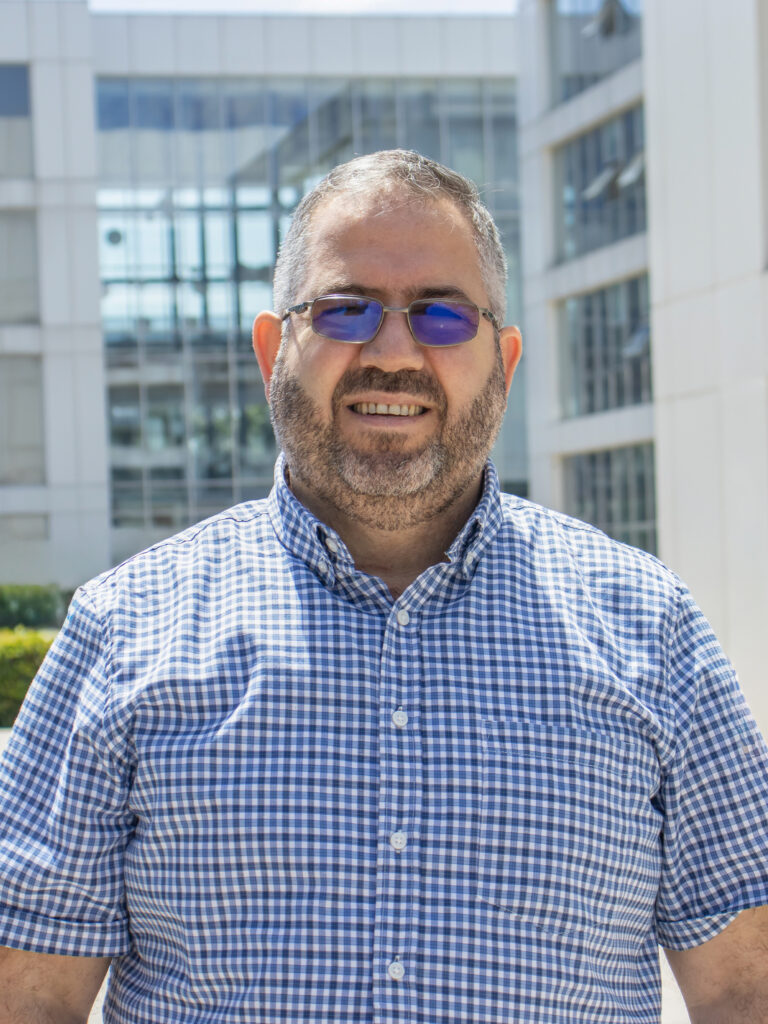
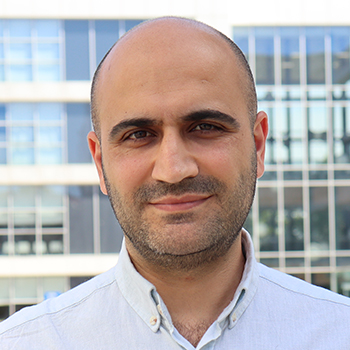
Prof. Mehmet Koçak

Symposium Chair
Kıvanç kök

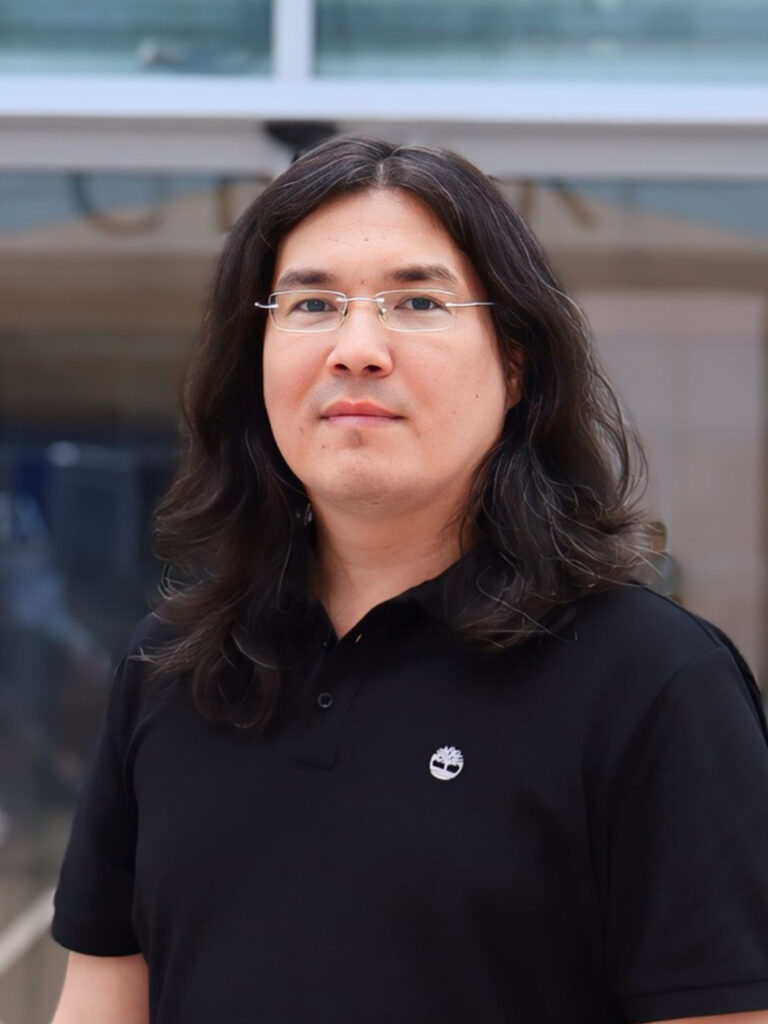
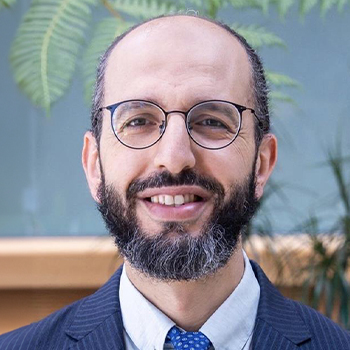
Assist. Prof. Kıvanç Kök

Symposium Chair

SCIENTIFIC PROGRAM

Registration and refreshments

08.00 - 09.00

60 min

SESSION I: OPENING AND KEYNOTE TALK

09.00 - 10.30

Moderator: Prof. Dr. Işıl Kurnaz

Gebze Technical University, Gebze, Türkiye

1h 30m

Welcome Speaches

09.00 - 09.15

Welcome Speaches

Prof. Dr. Yasemin Yüksel Durmaz

Istanbul Medipol University Vice President, Istanbul, Türkiye

Assoc. Prof. Emrah Eroğlu

SABITA Director, Istanbul Medipol University Vice President, Istanbul, Türkiye

15 min

Launching MODAS

09.15 - 09.30

Prof. Mehmet Koçak

Head of MODAS, Istanbul Medipol, Istanbul, Türkiye

15 min

Keynote Presentation

09.30 - 10.30

Prof. Uğur Sezerman 

Acibadem Mehmet Ali Aydinlar University, Istanbul, Türkiye

Personalized Medicine in the era of multiomics data and Artificial Intelligence

Abstract:

Advancements in Next Generation sequencing technologies pave the way to advancements in multiomics data access at cellular level. Integration of this data with clinical information and meta data enables us to understand individual disease development mechanisms. Artificial Intelligence approaches are needed to analyze such a diverse large-scale data to model the diseases and find out parameters (biomarkers) that are used in these models. Transition from disease models to the daily practices in the clinic requires explainable AI models to be developed. This talk will summarize multiomics data and AI approaches used in personalized medicine applications. We will go over rare disease, cancer and neurological diseases applications of the AI models we built.

60 min

Coffee Break

10.30 - 11.00

30 min

SESSION II: MULTI-OMICS APPROACHES

11.00 - 11.30

Moderator: Assist. Professor Onur Emre Onat

Bezmialem Vakıf University, Istanbul, Türkiye

60 min

Featured Speaker I

11.00 - 11.30

Assist. Prof. Abdulahad Bayraktar

Istanbul University-Cerrahpaşa, Istanbul, Türkiye

A Systems Medicine Approach to Diagnosis and Treatment

Abstract:

Nowadays, it is understood that many diseases do not follow a strict aetiology but rather are composition of many distinct causative factors and modified biological mechanisms. A strikingexample is alzheimer's disease; even though protein agglomeration in elders theory holds its stand, a plethora of theories (neuroinflammation, type 3 diabetes, viral origin, cerebrovascular origin etc) matching the heterogeneity of patients and susceptible individuals makes the disease one of the most difficult health problems of today. A similar problem arises in explaining and treating sarcopenia. While ageing remains as the most predictive factor, gender, Body Mass Index, exercise level and cardiovascular events interplay with the severity of the process.

Omics-based systems medicine methods are promising in diagnosis, prognosis and treatment of these diseases owing to their holistic approach. they are not only able to signify markers causatively, but also coherent with both wet lab experiments and other computational models. In this presentation, Dr Abdulahad Bayraktar will share the findings from his systems medicine studies in Alzheimer's disease and sarcopenia.

30 min

Featured Speaker II

11.30 - 12.00

Assist. Prof. Muzaffer Arıkan

Istanbul University, Istanbul, Türkiye

Microbiome analysis by using meta-omics techniques

Abstract:

The complexity of microbial communities and their interactions with hosts and environments demand integrative meta-omics approaches. In this talk, I will present our recent efforts in advancing microbiome research through the development of comprehensive meta-omics tools and resources. We developed gNOMO2, a modular and scalable pipeline designed for the integrated analysis of amplicon sequencing, metagenomic, metatranscriptomic, and metaproteomic datasets, facilitating functional profiling and comparative analyses across diverse microbiomics data types. To explore the therapeutic potential of microbial communities, we introduced MetaPepticon, a modular, end-to-end bioinformatics pipeline for the discovery of candidate anticancer peptides directly from diverse sequencing inputs, including raw genomic, metagenomic, transcriptomic, and metatranscriptomic reads, as well as assembled contigs and peptide sequences. Furthermore, recognizing the limitations of general-purpose protein databases in metaproteomics, we constructed MetaproDB, a curated collection of biome-specific protein databases optimized for metaproteomic workflows. These tools collectively enable more accurate and functionally insightful microbiome analyses, with applications spanning human health, environmental microbiology, and synthetic biology.


30 min

Lunch Break

12.00 - 14.00

2 h

SESSION III: TRANSLATIONAL MEDICINE

14.00 - 15.30

Moderator: Assoc. Prof. Özge Şensoy

Istanbul Medipol University, Istanbul, Türkiye

1h 30 min

Featured Speaker I (Online)

14.00 - 14.30

Prof. Dr. Younes Mokrab

Sidra Medicine, Doha, Qatar

Leveraging large-scale genomics and transcriptomics in Middle Eastern populations for disease and population diversity studies

Abstract:

At Sidra Medicine and in partnership with Qatar Precision Health Institute, we are advancing large-scale genomics and transcriptomics to map the landscape of genetic variation in Middle Eastern populations. Our efforts integrate medical and population genomics to uncover functional consequences of variants and drive discovery in rare diseases and regional population health.

30 min

Featured Speaker II

14.30 - 15.00

Dr. Tunç Tuncel

TÜSEB, Ankara, Türkiye

Potential of Single Cell Transcriptome Sequencing in the Search for New Drug Targets for Mesothelioma

Abstract:

Malignant mesothelioma (MM) is a rare and aggressive cancer with limited effective treatment options. Asbestos exposure is the primary risk factor for MM, and gene-environment interactions play a critical role in the development of personalized therapies. While certain gene mutations have been suggested to influence treatment outcomes, our understanding of their impact remains limited. There is a pressing need for detailed multi-omics profiling of MM tumors at the single-cell level to identify actionable targets for personalized treatment. To address this need, we performed single-cell RNA sequencing (scRNA-seq) on mesothelioma tumor cells to identify consistently expressed genes across all tumor clones within a given sample. We further employed CRISPR-Cas9 gene editing to functionally validate these targets and assess their potential as novel therapeutic candidates for MM.

Our findings highlight the utility of single-cell transcriptomic analysis in uncovering universal gene targets across heterogeneous tumor populations, and demonstrate the potential of CRISPR-based functional screening in prioritizing candidate genes for the development of more effective, personalized therapies in malignant mesothelioma.

30 min

Featured Speaker III

15.00 - 15.30

Dr. Sarah Barakat

Istanbul Medipol University, Istanbul, Türkiye

Oxygen in the Equation: Rethinking Drug Screening Through a Proteomics Lens and Beyond

Abstract:

Oxygen is a critical determinant of cellular physiology, governing metabolic activity, signal transduction, and gene regulatory processes. In vivo, oxygen availability is tightly regulated and varies across tissues, typically within a physiological range of 1% to 6% in most tissues. However, most in vitro cell culture systems are maintained under atmospheric oxygen levels (~18–21%). These supraphysiological oxygen levels perturb metabolic flux, disrupt redox balance, and induce extensive transcriptional and translational reprogramming, factors that significantly influence cellular sensitivity to pharmacological agents. As a result, drug screening conducted under non-physiological oxygen tensions may fail to capture oxygen-dependent mechanisms of drug efficacy or resistance, thereby compromising the translational relevance of such in vitro assays. Transcriptomic and proteomic studies have consistently shown that even moderate changes in oxygen tension can drive substantial alterations in pathways associated with hypoxia-inducible signaling, energy metabolism, oxidative stress response, and protein homeostasis. Furthermore, integrated multi-omics analyses frequently reveal discordance between transcript abundance and protein expression under varying oxygen conditions. This observation highlights the need to interrogate both molecular layers in order to obtain an accurate view of functional responses. These effects are highly cell type–specific and context-dependent. To resolve this complexity, computational approaches, including machine learning, are increasingly utilized to extract biologically meaningful patterns from high-dimensional omics datasets, enabling the identification of oxygen-sensitive molecular signatures and a more comprehensive understanding of oxygen-dependent regulation of drug responses.

30 min

Coffee Break

15.30 - 15.45

15 min

SESSION IV: AI-DRIVEN DISCOVERIES

15.45 - 17.15

Assoc. Prof. Mehmet Baysan

Istanbul Technical University, Istanbul, Türkiye

2 hour

Featured Speaker I

15:45 - 16:15

Prof. Dr. Reda Alhajj, Taleb Albrijawi

Istanbul Medipol University, Istanbul, Türkiye

Can AI Advance Macrocycles? Machine Learning for Predicting Cell Membrane Permeability and Enhancing Oral Bioavailability of Macrocyclic Drugs

Abstract:

Macrocyclic compounds represent a unique and promising class of therapeutic agents, bridging the gap between small organic molecules and large biologics. Their large ring shaped structures confer exceptional stability and selectivity, enabling them to modulate challenging intracellulartargets with flat, groove-shaped, or tunnel-like binding sites, that are often inaccessible to conventional small molecules. These properties make macrocycles particularly valuable in drug discovery. However, their large, flexible structures don't follow the same rules as typical small-molecule drugs. Their location in the beyond Rule of Five (bRo5) chemical space, characterized by high molecular weight and structural complexity, poses significant challenges for predicting their membrane permeability, a critical factor for oral bioavailability. In addition, thesynthesis of macrocycles demands highly skilled labor, extensive time, and substantial costs, further complicating their advancements. That’s why there’s a need to find better ways to overcome these limitations and push macrocycles further along the development pipeline, and this is where recent advances in artificial intelligence (AI) and machine learning (ML) offer transformative solutions to these problems.

Innovative models, including traditional ML algorithms, convolutional neural networks (CNNs), graph convolutional networks (GCNs), and transformers, are being used to predict cell penetration and guide rational design. These tools help decode the “chameleonic” behavior of macrocycles, their ability to adapt conformations in different environments, which is key to balancing solubility and permeability. The therapeutic potential of macrocycles is vast, spanning multiple disease areas including infectious diseases, oncology, and autoimmune disorders, with a growing pipeline of clinical candidates. However, their development remains constrained by some challenges, particularly their membrane passive diffusion due to complex conformational dynamics and structural properties that break the traditional small-molecule guidelines. Now, with the rise of AI, we’re opening up new doors in macrocycle drug discovery. The challenge is real, but the potential is also there.

30 min

Featured Speaker II

16:15 - 16:45

Assist. Prof. Ahmet Kaplan

Istanbul Medipol University, Istanbul, Türkiye

Generative AI for Healthcare Data: Transforming Natural Language Queries into SQL for Medical Patient Records

Abstract:

The integration of Generative AI models with structured medical patient data presents a transformative opportunity for healthcare analytics. At Istanbul Medipol University, we are developing a system that allows academicians and clinicians to query Relational Database Management Systems (RDBMS) using natural language, eliminating the need for manual SQL scripting. This approach leverages Text-to-SQL techniques, where large language models (LLMs) with fine-tuned open-source models translate user questions into executable SQL queries.

Key challenges include preserving patient privacy (via anonymization and access controls), handling complex medical terminologies, and ensuring high accuracy in SQL generation. We explore few-shot learning, retrieval-augmented generation (RAG), and hybrid rule-based + neural approaches to improve robustness. Additionally, we evaluate fine-tuning strategies using domain-specific medical datasets and real-time clinician feedback loops to enhance model performance in clinical contexts.

Our preliminary results indicate that Text-to-SQL systems, combined with structured EHR data, can significantly streamline medical research by enabling real-time, natural language-based data retrieval. This research aligns with Medipol University’s mission to bridge AI innovation with healthcare efficiency, improving a data-driven academic ecosystem.

30 min

Featured Speaker III

16:45 - 17:15

Assist. Prof. Kıvanç Kök

Istanbul Medipol University, Istanbul, Türkiye

Integrated omics profiling in health and disease

Abstract:

The emergence of omics technologies has enabled high-throughput profiling, screening, and monitoring of biological states, processes, and environments under various conditions at an unprecedented pace. Such innovations have revolutionized the biomedical field and led to the exponential accumulation of vast amounts of biological data. The first omic, genomics, was soon followed by an increasing number of others, such as transcriptomics, proteomics, miRNomics, and metabolomics. Here, the advent of next-generation sequencing (NGS) along with the improvements in mass spectrometry advanced the field of omics and, together with the development of adequate computational solutions and infrastructures, transformed it into a “big data” domain. Interestingly, the human microbiome, recognized as the “second genome,” has added a critical dimension and opened the way for omics-based discoveries at another level of biological complexity, such as host–microbiome interactions and the gut–brain axis. Despite the diversity of current omic platforms and efforts, all omic studies share a common feature that can be divided into two steps: (i) sample preparation and execution (“wet lab”), resulting in raw data generation, and (ii) data analysis (“dry lab”). Bioinformatics has been an integral component and driving force of such data analyses from the very beginning. Remarkably, recent advances in the omics field have enabled greater accuracy (e.g., through deep sequencing and deep proteome profiling) and higher resolution (e.g., through single-cell sequencing and cellular proteomics profiling). The progress also contributed to a more comprehensive (“systems-level”) understanding in terms of integration (e.g., multi-omics analysis) and dynamics (e.g., spatiotemporal omics analysis).An increasing number of omics studies now adapt and leverage machine learning (ML)–based bioinformatics methods for data integration and joint analysis. Harnessing the power of ML has proven especially valuable for handling high-dimensional biological data, uncovering hidden patterns and facilitating the discovery of novel biomarkers. In this regard, both supervised and unsupervised ML techniques play instrumental roles in this rapidly evolving field. Powered by artificial neural networks, deep learning is a driving force reshaping and accelerating omics research. For instance, explainable artificial intelligence holds great promise for advancing personalized medicine, underscoring the need for continued efforts in this direction. Overall, ML-assisted integrated omics profiling offers critical insights into the complex mechanisms underlying health and disease.

30 min

Closing remarks

17:15 - 17:30

Prof. Mehmet Koçak

Istanbul Medipol University, Istanbul, Türkiye

15 min

SPEAKERS

Prof. Uğur Sezerman
plus

Prof. Uğur Sezerman

Assist. Prof. Abdulahad Bayraktar
plus

Assist. Prof. Abdulahad Bayraktar

Assist. Prof. Muzaffer Arıkan
plus

Assist. Prof. Muzaffer Arıkan

Prof. Dr. Younes Mokrab
plus

Prof. Dr. Younes Mokrab

Dr. Tunç Tuncel
plus

Dr. Tunç Tuncel

Dr. Sarah Barakat
plus

Dr. Sarah Barakat

Prof. Reda Alhajj
plus

Prof. Reda Alhajj

Taleb Albrijawi
plus

Taleb Albrijawi

Assist. Prof. Ahmet Kaplan
plus

Assist. Prof. Ahmet Kaplan

Asisst. Prof. Kıvanç Kök
plus

Asisst. Prof. Kıvanç Kök

company

MODERATORS

Prof. Dr. Işıl Kurnaz
plus

Prof. Dr. Işıl Kurnaz

Assist. Prof. Onur Emre Onat
plus

Assist. Prof. Onur Emre Onat

Assoc. Prof. Özge Şensoy
plus

Assoc. Prof. Özge Şensoy

Assoc. Prof. Mehmet Baysan
plus

Assoc. Prof. Mehmet Baysan

VENUE

Istanbul Medipol University

Kavacik South Campus, B5 floor, Mini cinema

Kavacik, Goztepe Neighborhood, Ataturk Street.
No:40, 34810 Beykoz/Istanbul

MORE INFORMATION

REGISTRATION

”Registration is required as the number of seats is limited.”


The registration quota has been reached. Thank you for your interest.


ORGANIZING TEAM

Prof. Mehmet Koçak

Manager of MODAS

[email protected]


Assist. Prof. Kıvanç Kök

Assistant Manager of MODAS

[email protected]


Dr. Arda Kebapçı

Deputy Director for Education, Assistant Director for Education, Instutite Secretary, SABITA

[email protected]


Dr. Sarah Barakat

MODAS Member

[email protected]


Dr. İhsan Yozgat

MODAS Member

[email protected]


Dr. Hayriye Ecem Yelkenci

MODAS Member

[email protected]


MODAS Member

[email protected]


Bahadır Açıktepe

MODAS Member

bahadı[email protected]


Hilal Büşra Gülcan

Corporate Communications Specialist/ SABITA

[email protected]

Istanbul Medipol University - MODAS Symposium 2025